




Promoting Good Nutrition in People with Sickle Cell Disease
The U.S. Department of Health and Human Services’ (HHS) call for a healthier Nation highlights the importance of chronic disease prevention and health promotion, emphasizing the need to address high rates of chronic illness through a range of solutions, including the critical role of food and nutrition.1,2 High quality nutrition is essential for individuals living with sickle cell disease (SCD) as it supports their immune system, overall health, and disease management. However, nutrition often receives less attention than pharmacologic therapies in clinical care.
This article highlights the importance of nutrition for people living with SCD in the United States, outlines the benefits and sources of high-quality nutrition, provides sample recipes, and proposes a multi-level call to action to promote nutritional support for individuals with SCD.
What is Sickle Cell Disease?
Sickle cell disease is a group of inherited red blood cell disorders that can cause serious health complications such as pain crises, infections, and stroke.3 In individuals with SCD, the red blood cells become hard, sticky, and sickle (crescent) shaped, which can block blood flow in small blood vessels. SCD affects about 100,000 people in the United States, the majority of whom are black or African American.
Good Nutrition Matters
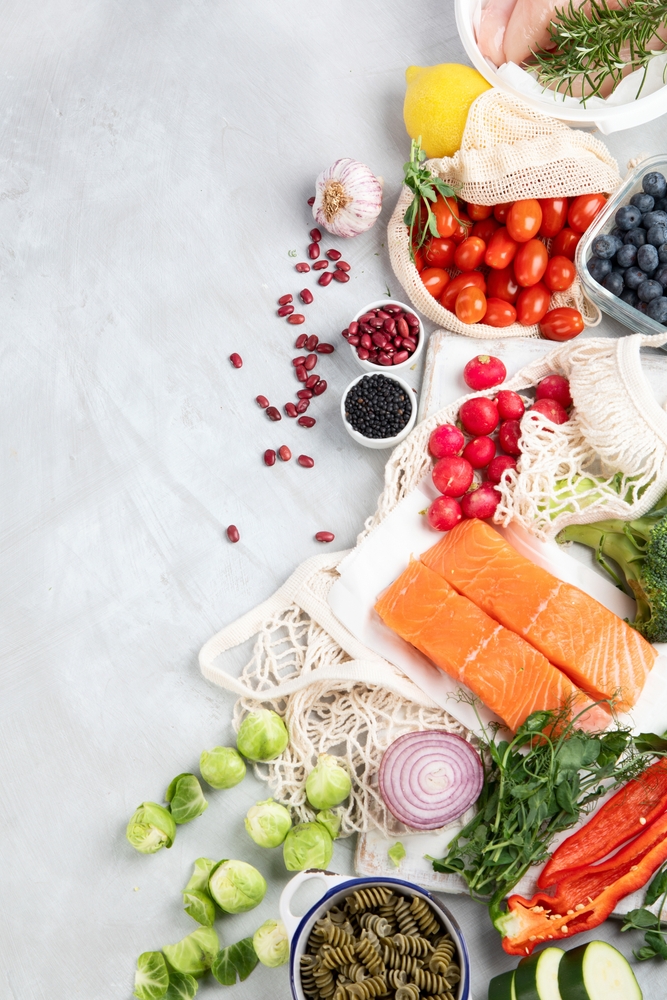
Adequate, appropriate, and high-quality nutrition plays a critical role in mitigating disease severity and overall well-being for individuals with SCD.4 People with SCD generally require more calories and micronutrients, especially during acute illnesses and hospitalizations. Nutritional deficiencies due to poor dietary intake and absorption in people with SCD can limit growth (in children), impair immune function, and increase the risk of pain crises and hospitalizations. Studies have reported that individuals with SCD get inadequate amounts of certain nutrients essential for producing new red blood cells and building muscle and bone such as iron, calcium, and vitamin D.5 Therefore, good nutrition can help safeguard healthy growth in children with SCD and may reduce the risk of pain crises and complications in both children and adults.
What is Good Nutrition for Sickle Cell Disease?
A healthy diet for people with SCD focuses on nutrient-dense foods, appropriate supplementation, hydration (8–10 glasses of water daily), and adequate caloric and protein intake.
The recently released Dietary Guidelines for Americans 2025–2030 emphasizes the consumption of whole, nutrient-dense foods (“real foods”) as a way to prevent and control chronic diseases for all Americans. This includes prioritizing high-quality proteins, dairy, vegetables, fruits, and whole grains while limiting highly processed foods, added sugars, and refined carbohydrates. In addition to dietary guidance received by medical care providers, these guidelines can serve as a helpful framework for individuals with SCD and those supporting their care.
Preparing Healthy Meals to Support Nutritional Needs
While delicious and nourishing meals may require more planning and time, there are many simple and affordable ways to incorporate healthy meal preparation into one’s weekly routine. Many ingredients can be purchased in advance and stored in frozen or shelf-stable forms. Meals can be cooked in bulk and frozen in glass containers for easy and efficient reheating on later dates.
While nutritional guidance often focuses on what nutrients are needed, translating that guidance into everyday meals can be challenging. Balanced, nutrient-dense meals do not need to be complex or costly. With basic planning, meals can be prepared in advance, stored efficiently, and adapted to individual preferences and dietary needs.
The meal examples in the tabs below and in additional healthy recipe resources6,7 demonstrate how commonly available ingredients can be combined into simple meals that support key nutritional needs relevant to SCD, including iron intake, folate, and overall caloric adequacy. Further, the Parent and Caregiver Handbook for Sickle Cell provides examples of food sources for key nutrients important for individuals with SCD. For example, folate—a key nutrition for people with SCD—is found in a variety of foods such as dark green leafy vegetables, beans, and green peas. These meals are designed to provide nutrient-dense sources of protein, vitamins, and minerals that support overall health in individuals with SCD. As with any dietary approach, meals should be balanced and aligned with individual needs, including consultation with a health care provider.
Vegetarian Tofu Scramble

Yield: Multiple servings
Meal type: Breakfast
Nutrition profile: High in protein, iron, folate, and calcium
Egg and Spinach Casserole (vegetarian)
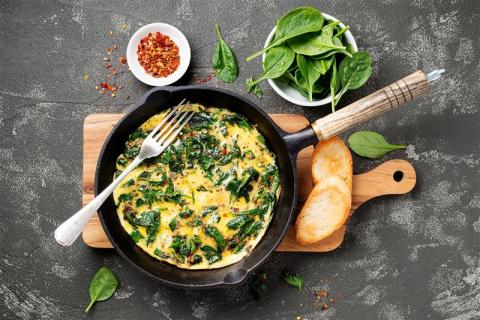
Yield: A few servings
Meal type: Breakfast or lunch
Nutrition profile: High in protein, Vitamin D, calcium, iron, folic acid, zinc, and magnesium
Gnocchi with Red Sauce (non-vegetarian)
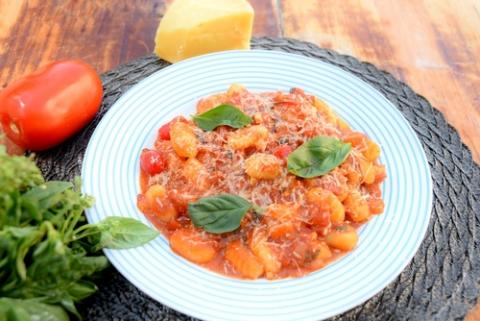
Yield: Multiple servings
Meal type: Lunch or dinner
Nutrition profile: High in protein, iron, and zinc
Baked Salmon with Rice (non-vegetarian)
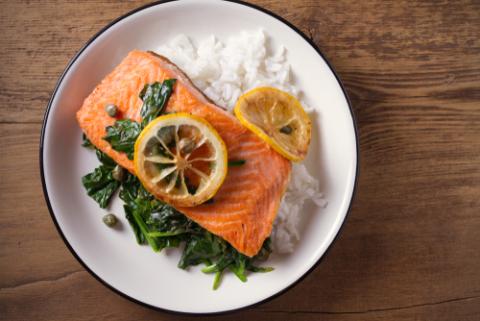
Yield: Multiple servings
Meal type: Lunch or dinner
Nutrition profile: High in protein, omega-3 fatty acids, and Vitamin D
A Multi-Level Call to Action

The meal examples demonstrate that high-quality nutrition can be both practical and attainable. However, not all individuals living with SCD and their families have access to nutritious foods or the resources needed to prepare them. Addressing these gaps requires coordinated efforts across clinical care, community systems, and public health infrastructure.
Promoting good nutrition in people with SCD requires action at multiple levels. People with SCD and their families should be equipped with the knowledge, resources, and support systems to make healthy dietary choices with assistance from their caregivers, health care team members, health care systems, SCD comprehensive care centers, communities, and, when needed, federal food assistance programs.
Role of Health Care Providers
Health care providers such as physicians and registered dietitians can advise and share resources with the patient and family on the impact of nutrition on SCD, benefits of healthy eating, and how to meet nutritional needs including targeted supplementation. Nutritional guidance can be reinforced by caregivers, social workers, case managers, community health workers, and/or other ancillary providers. Health care and ancillary providers can also help people with SCD gain access to appropriate dietary interventions such as nutrition appointments or food assistance benefits. For example, they can assist people with SCD and their families with applying for federal food assistance programs by helping them learn how to contact their state, territory, tribal, or local food assistance agencies.8
Role of Health Care System and Community-based Organizations
Comprehensive care centers for SCD offer an array of healthcare services to the SCD community by offering multidisciplinary and specialized services throughout the lifespan. Incorporating nutritional assessments and interventions within SCD comprehensive care centers and health care systems (e.g., hospitals and federally qualified health centers) can ensure people with SCD receive the nutrition services they need. Health care systems can offer and/or refer patients to produce prescriptions and other voucher incentive programs to facilitate the consumption of fruits and vegetables.9 Both health care systems and comprehensive care centers can engage with local communities, food distribution partners (e.g., food banks, grocery stores, and farmers markets), and community-based organizations (CBOs) that support people with SCD to strengthen availability of and access to affordable, nutritious foods within their communities. They can do this by conducting community food assessments, establishing healthy nutrition programs in diverse community settings, connecting patients to these programs, and/or evaluating the effectiveness of these programs. Health care systems and CBOs can help eligible people with SCD and their families connect to and enroll in federal food assistance programs such as the Supplemental Nutrition Assistance Program (SNAP), the Special Supplemental Nutrition Program for Women, Infants, and Children (WIC), and other Child Nutrition Programs.
Conclusion
High-quality nutrition can make a meaningful difference in the lives of people living with SCD. Adequate nutrition supports energy levels, immune function, and overall health, and may help reduce the frequency and severity of complications.
However, meeting the nutritional needs of individuals with SCD is not solely the responsibility of patients and families. It requires coordinated action from caregivers, health care providers, community organizations, and policymakers. At the same time, individuals and families should be equipped with practical knowledge and tools to select and prepare nutrient-dense meals that support their health.
By strengthening nutrition within clinical care, education, and community systems while also empowering individuals with actionable and accessible information, we can better support people living with SCD and advance HHS’ call for a healthier nation.
Acknowledgements
The authors would like to give special thanks to CAPT Tarsha Cavanaugh, Dr. Michelle Browne, Dr. Gerardo Lazaro, and LCDR Danielle Eustace from the Department of Health and Human Services Office of the Minority Health (OMH) for their review and contributions to the blog.
References
1 Make America Healthy Again Commission. (2025). Make Our Children Healthy Again: The MAHA Report: An Assessment for the President. The White House. https://www.whitehouse.gov/wp-content/uploads/2025/05/MAHA-Report-The-White-House.pdf (Back to top)
2 Office of the Assistant Secretary for Health. https://health.gov/priorities (Back to top)
3 Centers for Disease Control and Prevention (CDC). About Sickle Cell Disease. https://www.cdc.gov/sickle-cell/about/index.html (Back to top)
4 Martyres DJ, Vijenthira A, Barrowman N, Harris-Janz S, Chretien C, Klaassen RJ. Nutrient insufficiencies/deficiencies in children with sickle cell disease and its association with increased disease severity. Pediatr Blood Cancer 2016;63: 1060e4. https://doi.org/10.1002/pbc.25940 (Back to top)
5 Mucalo L, Highland J, Steiner N, et al. Comprehensive Assessment of Adequate Nutrition in Children and Adults with Sickle Cell Disease As Determined By Dietary Guidelines for Americans. Blood. 2024; 144: 2303-2304. https://ash.confex.com/ash/2024/webprogram/Paper211722.html (Back to top)
6 Nemours Children’s Health. Eating Well with Sickle Cell. https://www.nemours.org/content/dam/nemours/nemours-org/en/documents/sickle-cell-cookbook.pdf (Back to top)
7 US Department of Agriculture (USDA). Recipes. https://www.nutrition.gov/recipes (Back to top)
8 US Department of Agriculture (USDA) Food and Nutrition Service. Apply for Assistance. https://www.fns.usda.gov/programs/apply (Back to top)
9 CDC. Voucher Incentives and Produce Prescriptions. https://www.cdc.gov/nutrition/php/incentives-prescriptions/index.html (Back to top)
Vegetarian Tofu Scramble
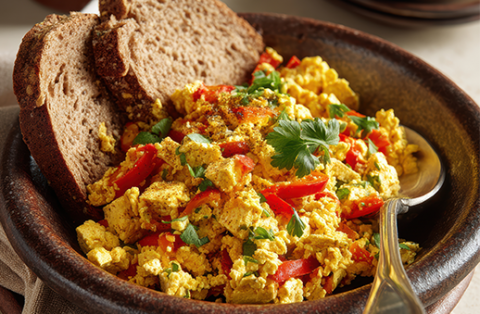
Yield: Multiple servings
Ingredients:
• 1/2 lb extra firm tofu
• 1/2 red pepper, sliced
• 1/2 red onion, chopped or sliced
•1-2 tbsp Olive oil
• 2 cups of kale or other greens
• 1/4 tsp of salt
• 1/2 tsp garlic powder
• 1/2 tsp cumin
• 1/4 tsp chili powder
Directions:
1) Pat tofu dry, then cover with a paper towel and place something heavy (like a plate with a can of vegetables on top) on top for about 15 minutes to remove excess moisture.
2) Combine spices in a bowl and add water to make a sauce of light consistency. Use less water to make a thicker sauce.
3) Put a skillet on medium heat, add olive oil, onion and red pepper. Cook for 5 minutes until softened.
4) Add kale or greens. Cover for 2 minutes until greens are just wilted.
5) Dice tofu into small cubes or crumble into bite-sized pieces. Add to the skillet. Cook for 2 minutes.
6) Add sauce and stir. Cook for 4-8 minutes, stirring occasionally.
7) Serve by itself or with whole wheat toast and potatoes.
Meal type: Breakfast
Nutrition profile: High in protein, iron, folate, and calcium
Egg and Spinach Casserole (vegetarian)
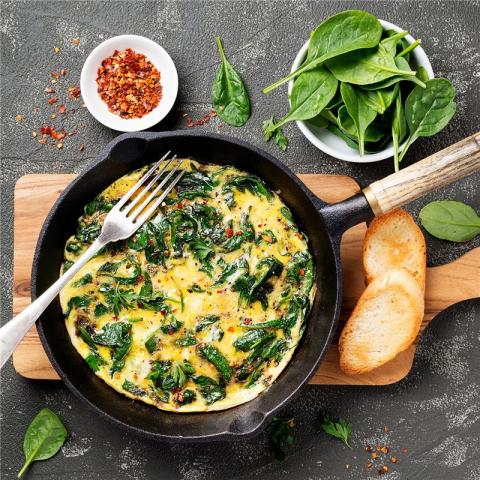
Yield: A few servings
Ingredients:
• 6 eggs, beaten
• 1/3 cup milk
• 1/4 cup onion, diced, or 1 tsp onion powder
• 1/4 cup all-purpose flour
• 1 (10-oz) package frozen chopped spinach, thawed and drained
• 1 (16-oz) package small curd cottage cheese
• 1 (16-oz) package shredded cheddar cheese
• 1/2 cup butter, melted
• Salt and pepper to taste
Directions:
1) Preheat the oven to 350°F. Grease a 9-by-13-inch baking dish with butter or coconut oil.
2) Beat the eggs, onion, and flour in a mixing bowl until the flour is no longer lumpy.
3) Stir in the spinach, cottage cheese, cheddar cheese, butter, salt and pepper.
4) Pour into the prepared dish.
5) Bake casserole for roughly 45 minutes, until the dish is simmering and surface is golden brown.
Meal type: Breakfast or lunch
Nutrition profile: High in protein, Vitamin D, calcium, iron, folic acid, zinc, and magnesium
Gnocchi with Red Sauce (non-vegetarian)
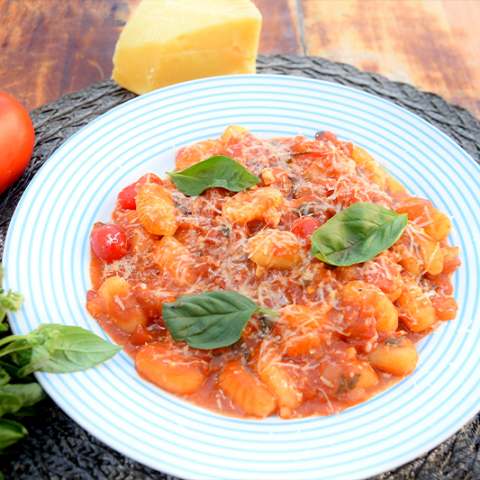
Yield: Multiple servings
Ingredients:
• Olive or avocado oil
• One onion, diced (if you don’t have one already, you may want to purchase a vegetable dicer—it is small, inexpensive, and very efficient!)
• Two or three cloves of garlic, minced
• 3-5 links of Italian sausage, diced
• Two pounds of ground meat (preferably beef, since it is high in heme iron)
• Diced bell peppers and jalapenos, to taste
• Diced tomatoes, canned or fresh
• One 28 oz can of crushed tomatoes
• Salt, to taste
• Black, cayenne, and red pepper, to taste
• Cumin, to taste
• A dash of garlic powder, to taste
• A dash of celery seed, to taste
• Potato or cauliflower gnocchi (wheat and gluten-free options exist.)
Optional but recommended:
• A dash of red wine
• Some beef bone broth (you can buy this in powdered form to minimize additional cooking.)
• Plain Greek yogurt
Directions:
1) In a large saucepan, sauté onion and garlic in olive or avocado oil until soft.
2) Add Italian sausage, cook until browned.
3) Add ground meat, peppers, and jalapenos, and cook until meat is lightly browned.
4) Add tomato.
5) Add salt, pepper, and spices to taste.
6) Optional: Add a dash of red wine.
7) Optional: Add beef bone broth, in either liquid or powdered form.
8) Let simmer on low heat for 15 or 20 minutes.
9) In another saucepan, cook gnocchi in salted water, following the directions on its packaging.
10) Serve red sauce over gnocchi — or enjoy on its own, with a dollop of plain Greek yogurt. Extra servings may be refrigerated or frozen in glass dishes for easy reheating.
Meal type: Lunch or dinner
Nutrition profile: High in protein, iron, and zinc
Baked Salmon with Rice (non-vegetarian)
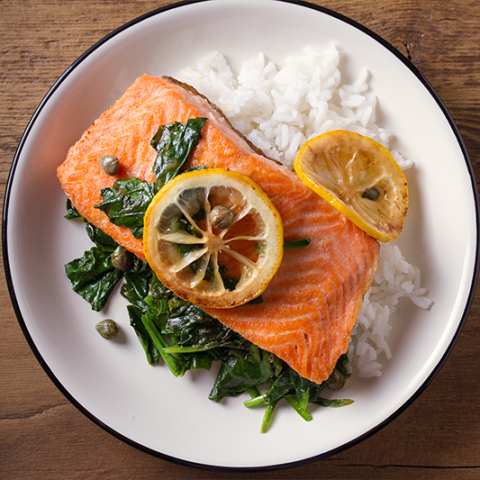
Yield: 2 servings
Ingredients:
• 2–3 salmon fillets
• Olive oil
• Lemon
• Dried Oregano
• Paprika
• Garlic powder
• Salt and pepper
• Rice
• Chicken or vegetable broth
Optional but recommended:
• Extra lemon wedges for serving
Directions:
1) Preheat oven to 400°F.
2) In a pot, combine 1 cup of rice and 2 cups of vegetable or chicken broth. Bring to a boil, then cover and simmer until the liquid is absorbed and the rice is tender.
3) While rice is cooking, place 2–3 salmon fillets on a parchment-lined baking sheet. Drizzle with olive oil and juice from ½ lemon.
4) Season with oregano, paprika, garlic powder, salt, and pepper. Add lemon slices if desired.
5) Bake salmon for 10–12 minutes until it flakes easily with a fork or desired doneness. If needed, cook an additional 2–3 minutes depending on thickness.
6) Serve salmon over rice with an extra squeeze of lemon. Add sautéed spinach or roasted vegetables as a side.
Meal type: Lunch or dinner
Nutrition profile: High in protein, omega-3 fatty acids, and Vitamin D